





Vilket äventyr! Ett äventyr i äventyret. Jag har nu tillbringat fem dygn i fält i Kanada med landteamet. Att få vara en del av detta kommer att vara oförglömligt!
Skolfröken får komma iland
24 August 2015 | Christina Fröjd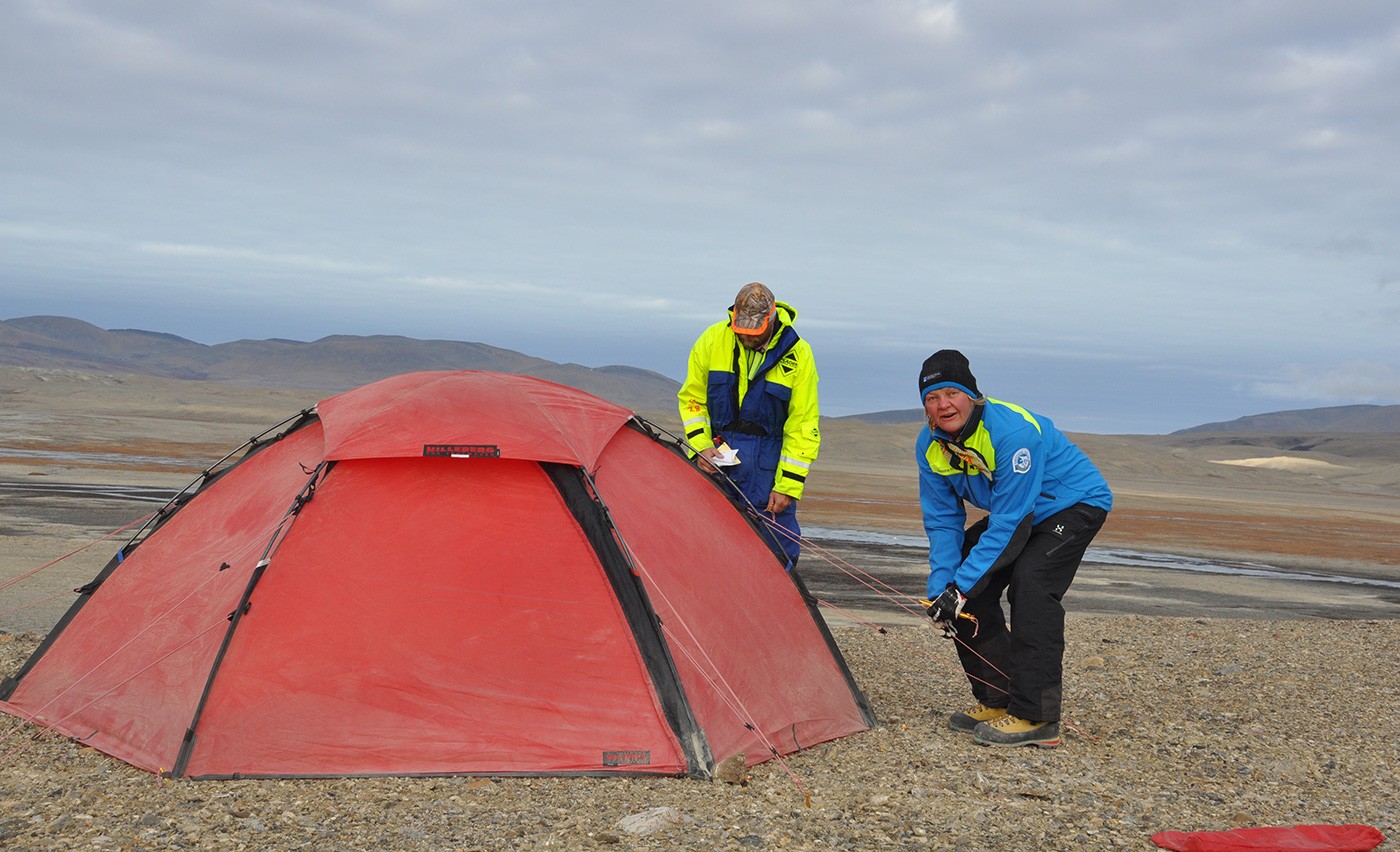
Vilket äventyr! Ett äventyr i äventyret. Jag har nu tillbringat fem dygn i fält i Kanada med landteamet. Att få vara en del av detta kommer att vara oförglömligt!
The stay in Constable Point was (thankfully) uneventful. However, our welcome was completed with a warning – “keep an eye out behind you when you are walking around. There is a female polar bear and two cubs hanging around the airport”.
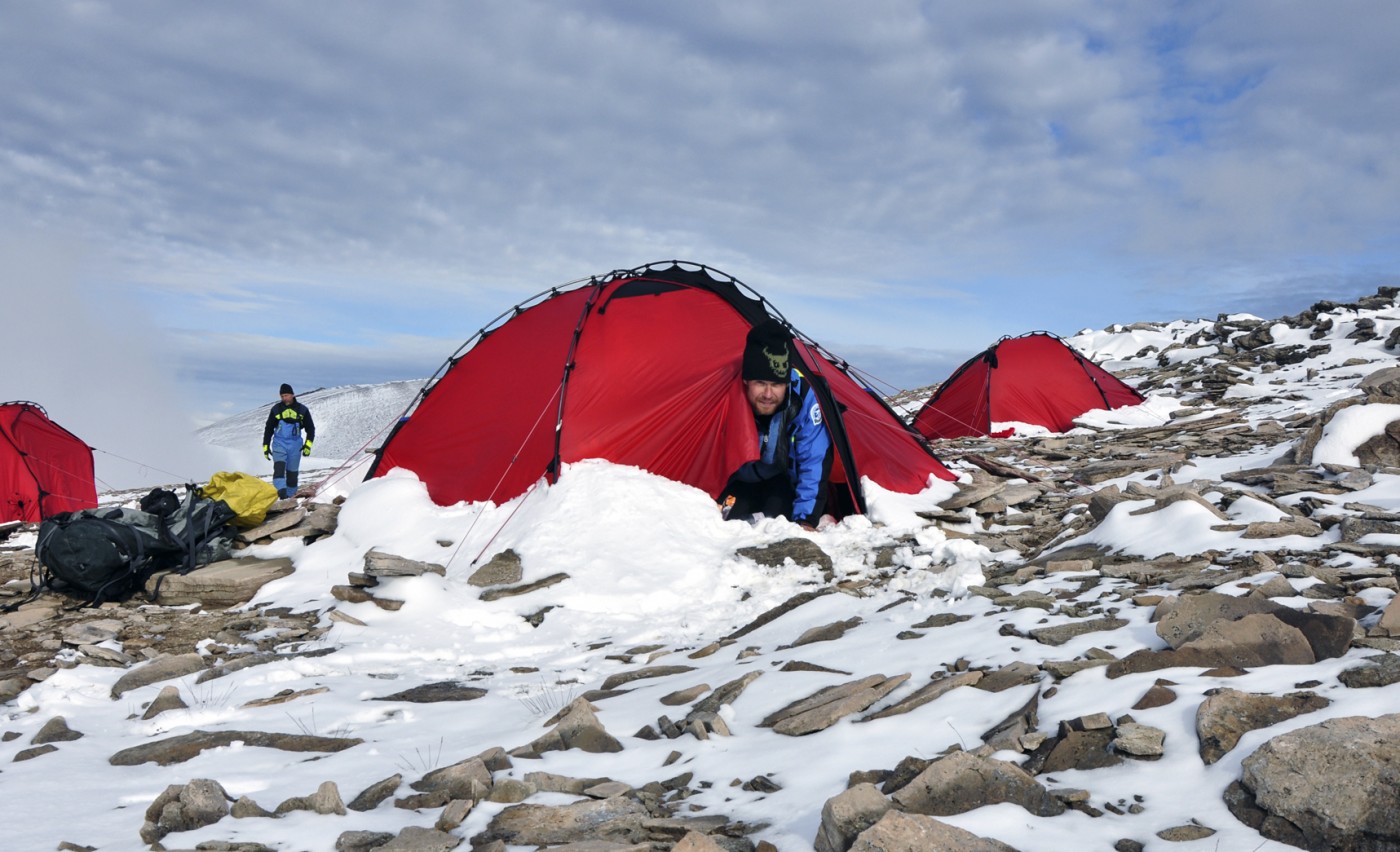
Fog had settled in over the fjord but we were still bright and clear at high altitude. All the specimens were carefully packed and Grzegorz retrieved the now cured silicon mould ready for transport.
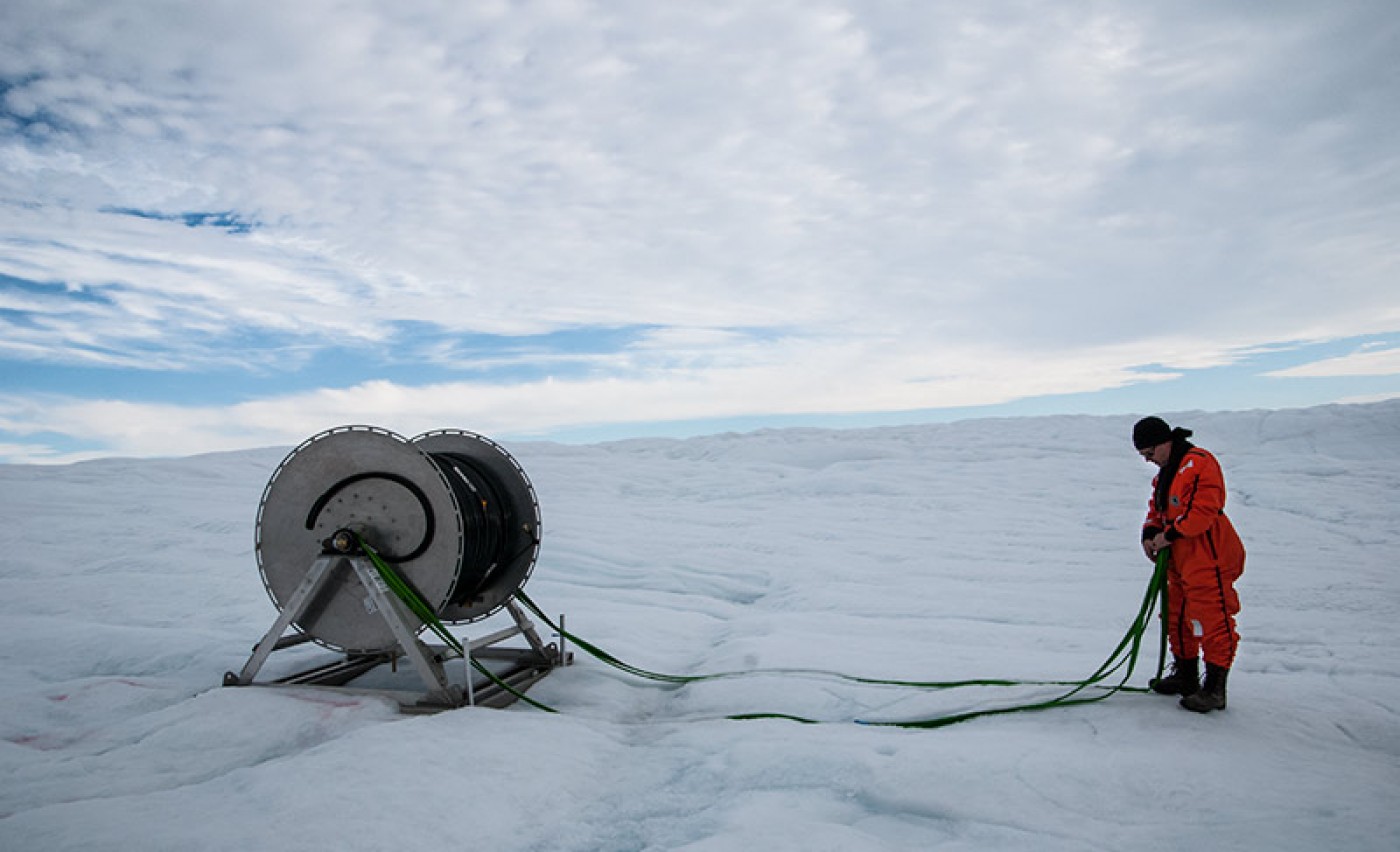
Efter att ha ägnat flera dagar ute i Hall Basin för att kartlägga, ta prover och förflytta vårt svenska landteam till den kanadensiska Ellesmereön, så är vi sedan i går inne i Petermannfjorden igen. I skrivande stund befinner vi oss vi oss så långt in i Petermannfjorden som man kan ta sig med Oden – vid tungspetsen av shelfen.
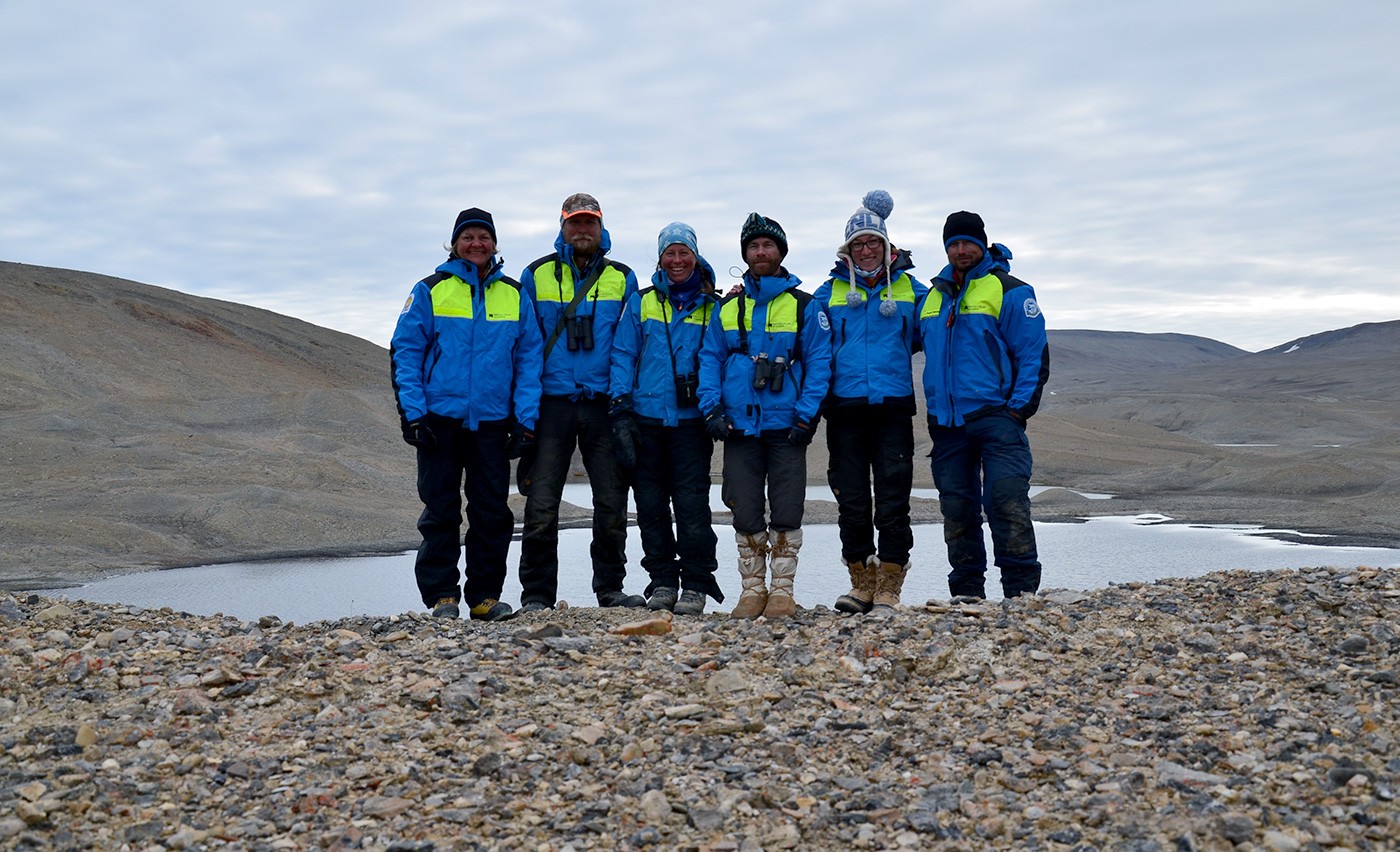
Vår lilla fältgrupp har fått tillökning och vi är nu sex personer, vilket gör att vi kan effektivisera arbetet ytterligare genom att gå i tre team med två personer i varje.
Woke up at about 0100 to shrieking wind and the tent flapping. Better check the guys. I was almost pushed over by the freezing wind when I finally got out. All the tents were still standing, but leaning over alarmingly.
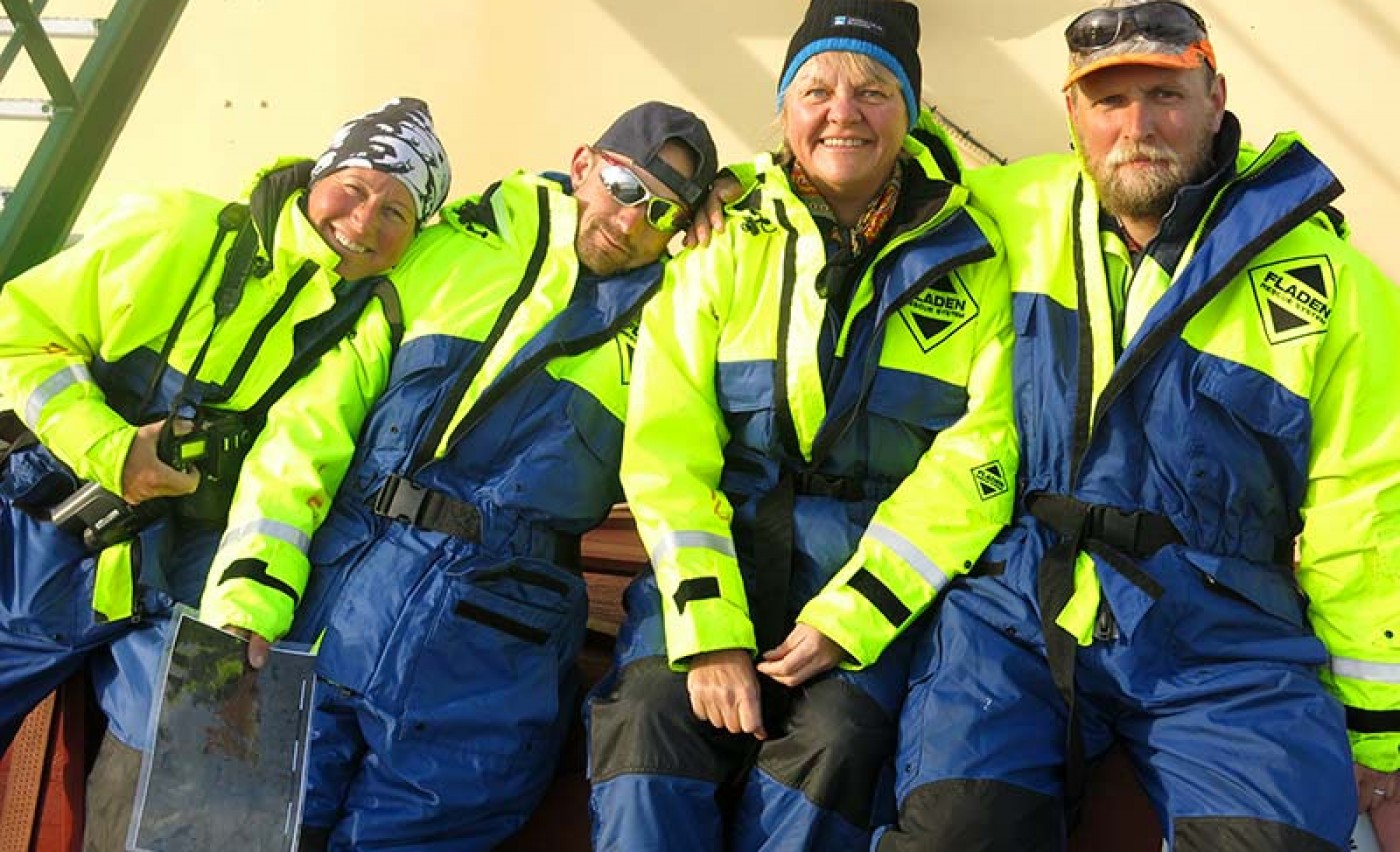
Visiting Washington Land wasn’t originally on our schedule. We were supposed to spend two weeks in Hall Land and later move the camp to Ellesmere Island. However, Hall Land wasn’t exactly what you call a biologist’s dream.
Time is running out. We have to split our team in two so that we can achieve both of our Celsius objectives before we leave in three days.
Spent the morning identifying and cataloguing our finds, which all had to be packed in our metal containers for transport back to Sweden.
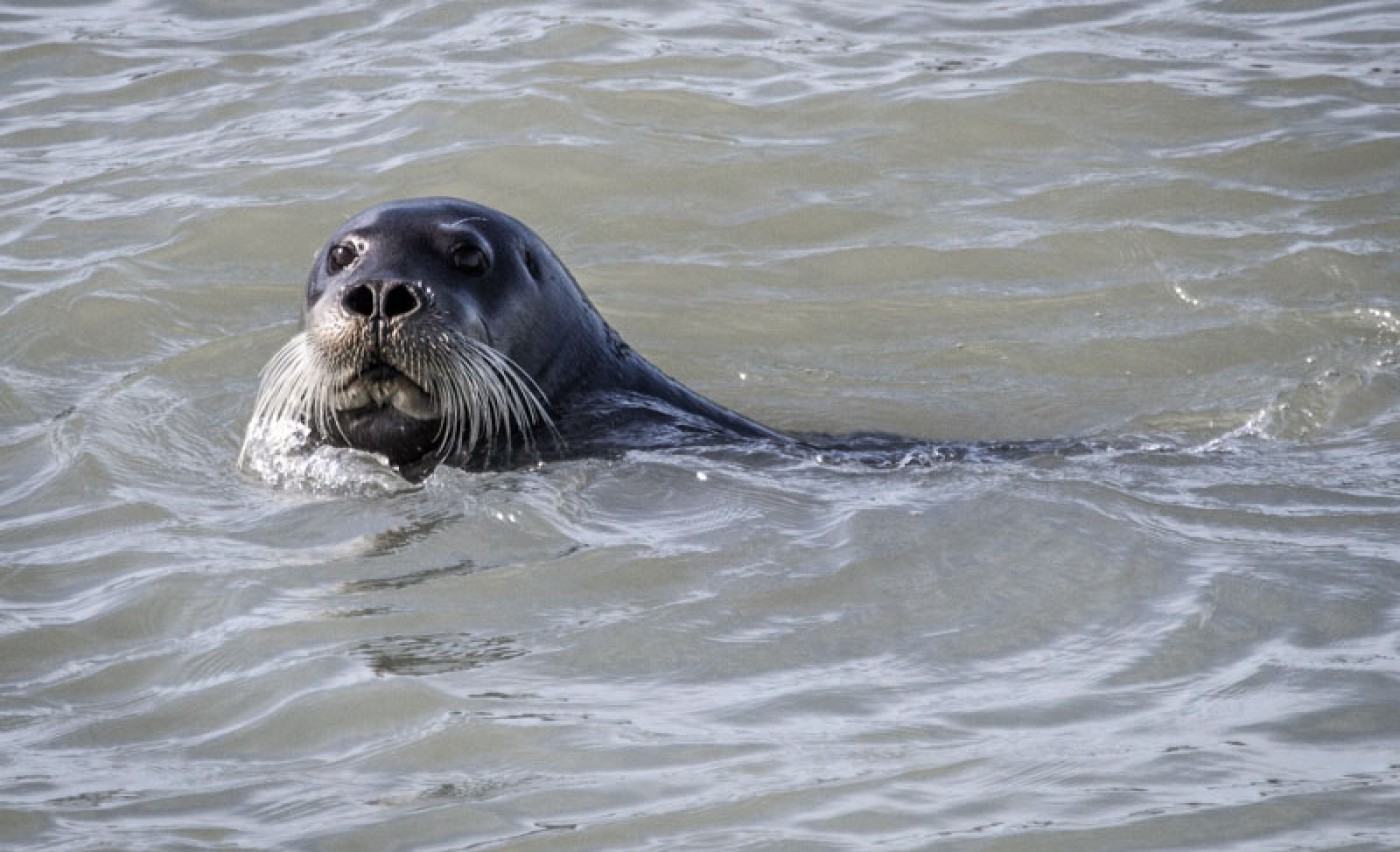
Även om vi är långt från civilisationen har vi haft gott om besök från andra varelser. Både håriga, kala, nyfikna, skygga och oinbjudna.
We had our first look at the rocks yesterday after dinner. We climbed up from our camp at 820 m to the snow line on Celsius Bjerg and fanned out: Grzegorz concentrating on the sandstone blocks to look for footprints; Henning and Ben for outcrops of black shale that mark the Obrutschew Bjerg Formation.
At last!!!! The helicopter set off from Constable Point this morning at 0900 as planned. It stopped at Mestersvig to drop off both Ben and the provisions before flying straight up to Kap Stosch to pick up the project.
Took off this morning at 0900 for Mestersvig. Wind has dropped completely but we now have fog settling in.
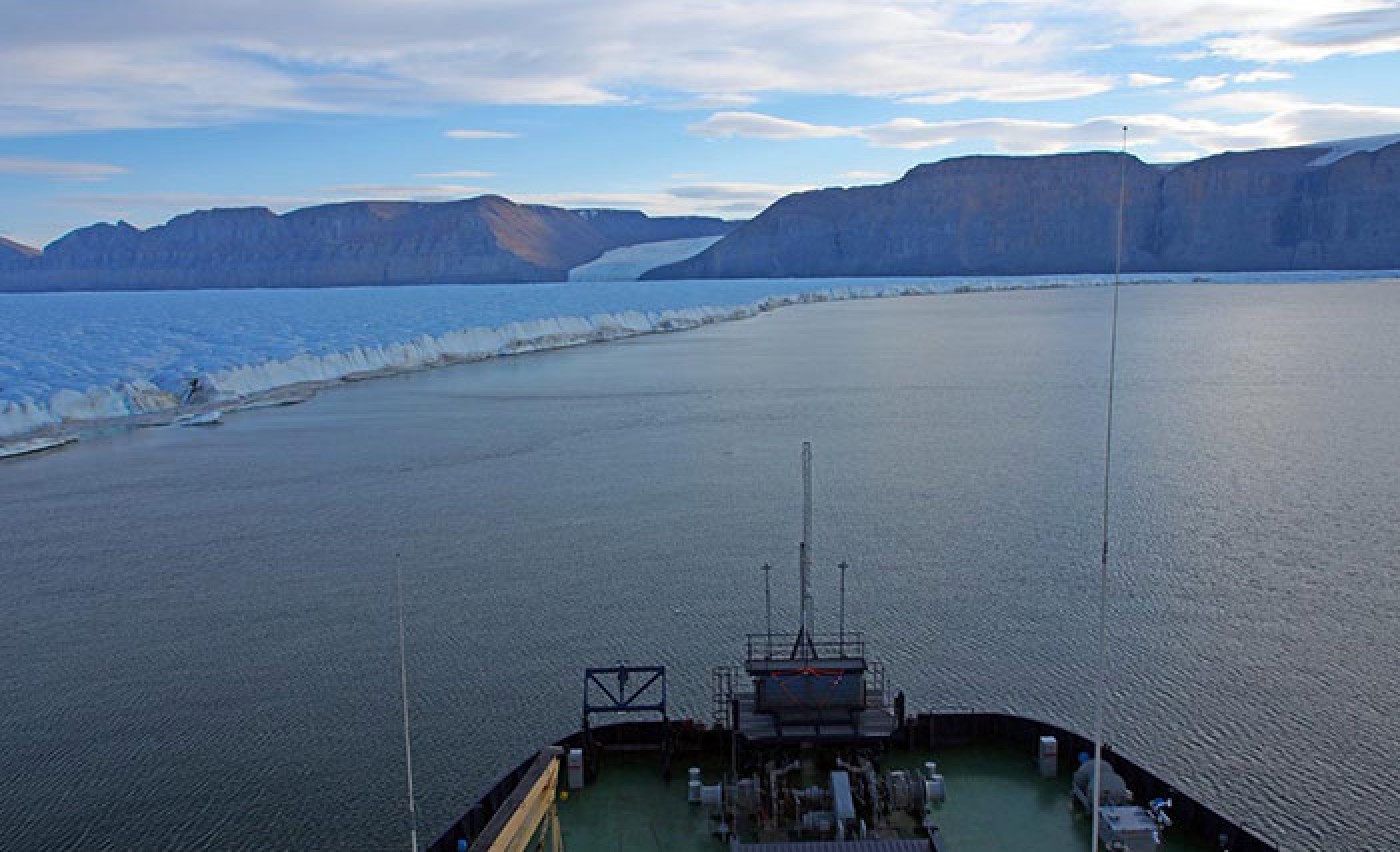
An ice shelf is a floating glacier. Most ice shelves are formed as extensions of one or several ice streams that drain glaciers and large ice sheets by transporting ice to the ocean.
Another fine morning in our Arctic paradise… High winds, more rain and low clouds – we were ready to go but increasingly poor weather has kept us grounded.
Wind at 35 knots and reasonable visibility at Constable Point this morning so we took off in the helicopter at 0900.
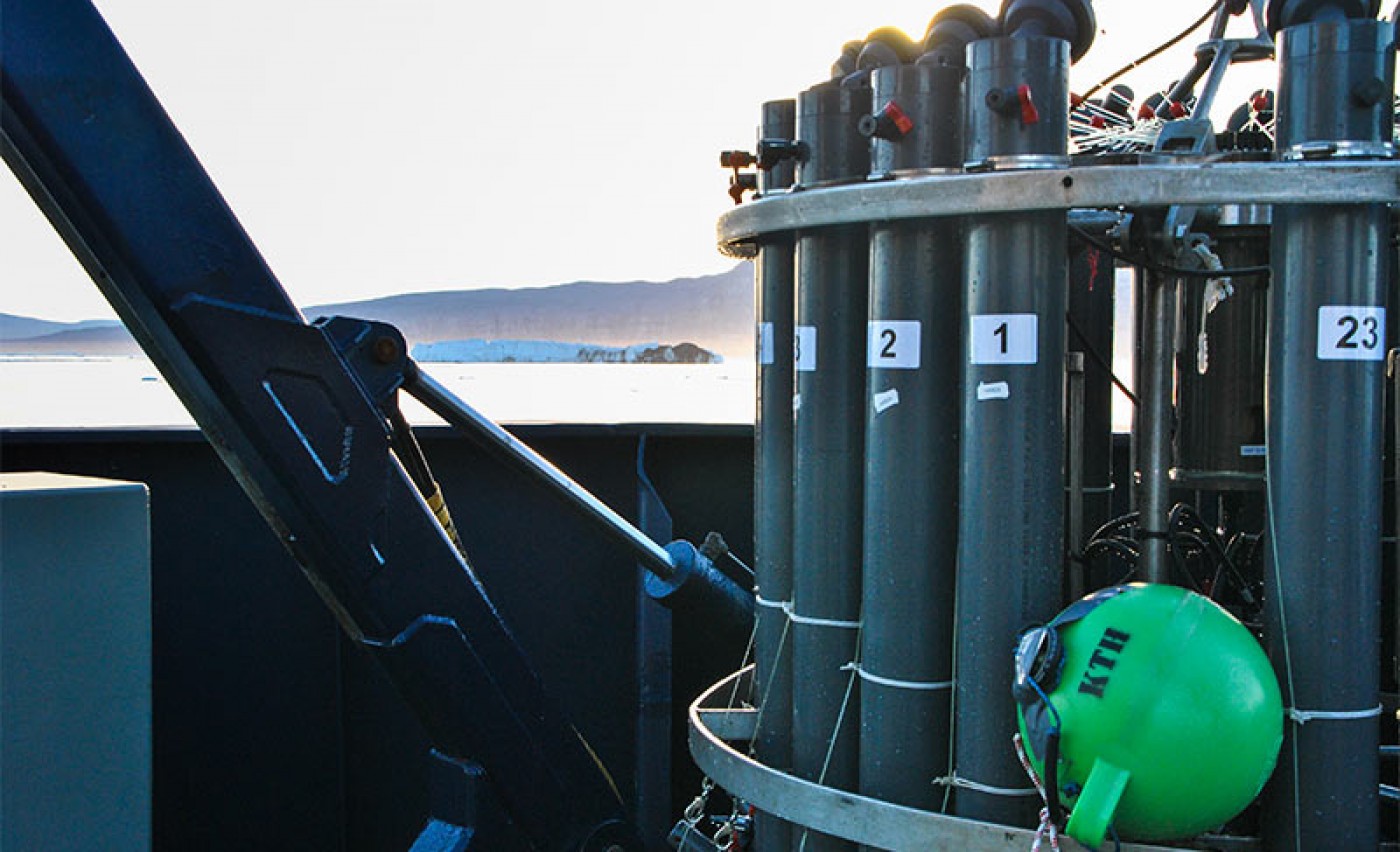
Most of the measurements done during the Petermann expedition on Oden give scientists either a pictures of the current situation or they enable them to look back into the past, often for several thousand years. But what about future developments, what is happening here when we are leaving?
The weather is against us. I am back at the “Hilton” in Constable Point with a few other scientists, who are likewise stuck because of the storm. Apparently there is a big low-pressure centre hovering over Iceland that is hitting the East Greenland coast with 60+ knot winds and heavy rain.
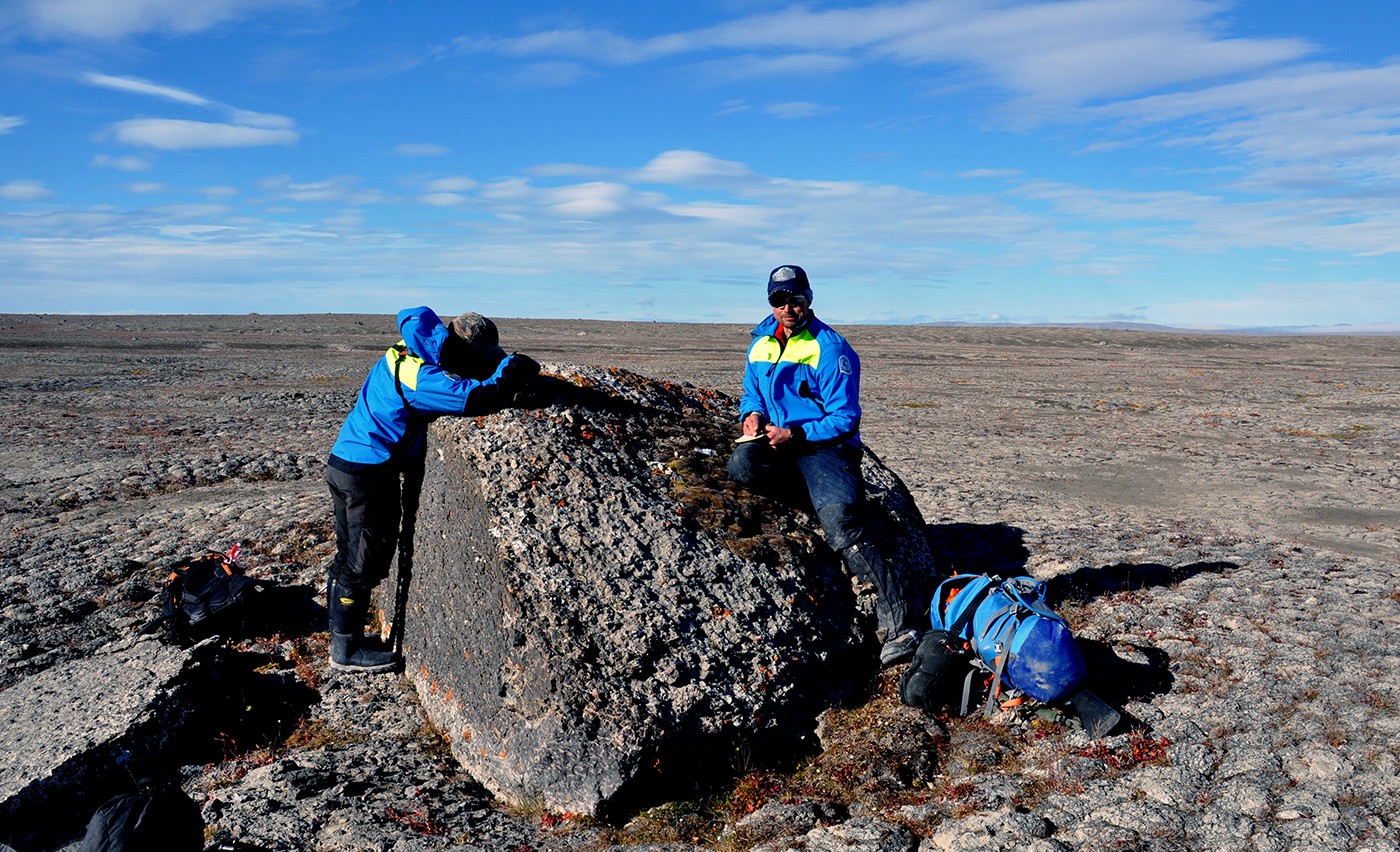
One of the few things that are usually true about a research plan is that it doesn’t work as expected, and if you're lucky it will lead into something completely different but equally (or even more) exciting.
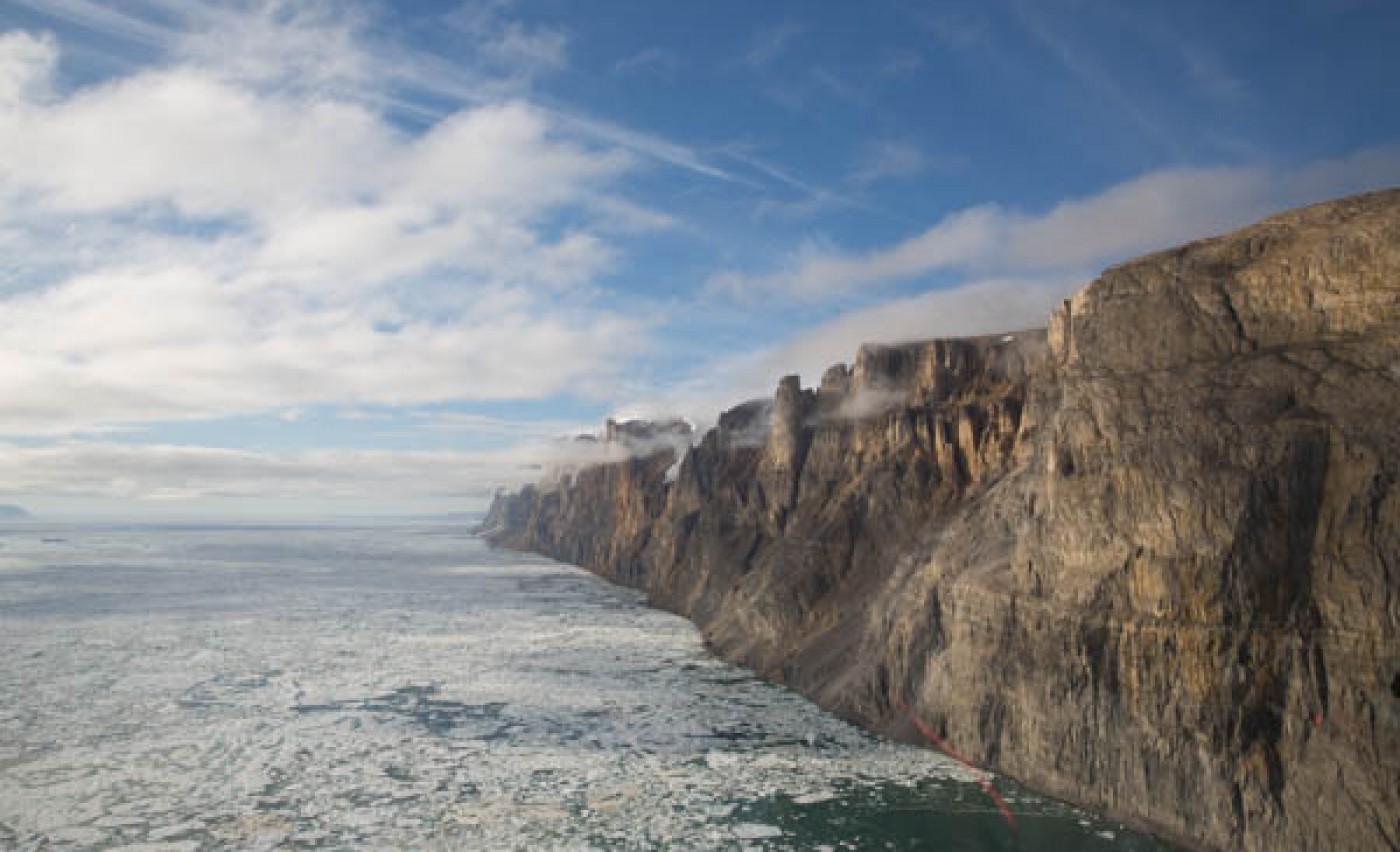
I arbetsuppgifterna för de operativa meteorologerna/flygledarna ingår normalt inte att vara ”lastemann” för de helikoptertransporter som utförs till och från forskningsteamen som är på land. Men i måndags fick jag en möjlighet att åka med en av de helikoptrar som man annars ger prognoser till och har flygledning för på Oden, SE-JFK.